
Currently Empty: ₹0.00



Blog
The “Resume Blindspot” Revealed: Why 90% of Freshers are Invisible
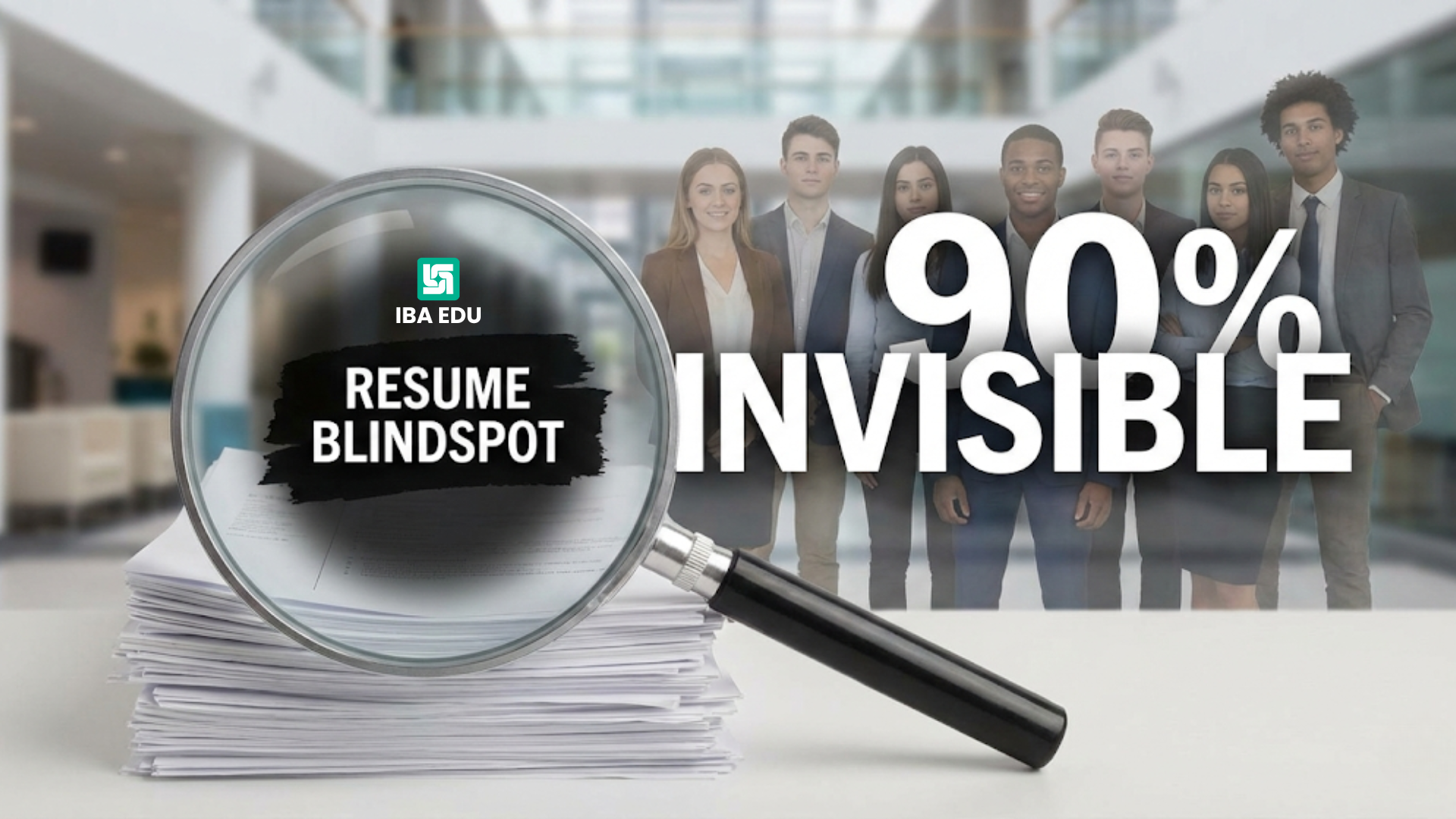
The 6-Second Filter: Why Your Degree Is Making You Invisible.
In 2026, recruiters don’t read resumes; they scan for “Proof of Performance.” If you aren’t showing the right signals in the first 6 seconds, you’ve already been ghosted.
[Download the Resume Visibility Checklist] | [Audit Your Resume Now]
The “Resume Blindspot”.
The year is 2026. You’ve graduated, your LinkedIn profile is polished, and you’ve sent out fifty applications. The result? Silence.
You might think it’s the economy or “bad luck,” but the reality is much more clinical. You are likely suffering from the Resume Blindspot. While you see a document full of hard work and academic achievement, a recruiter sees a “blank space” where industry-ready skills should be.
Here is the breakdown of why 90% of freshers remain invisible and how to fix it.
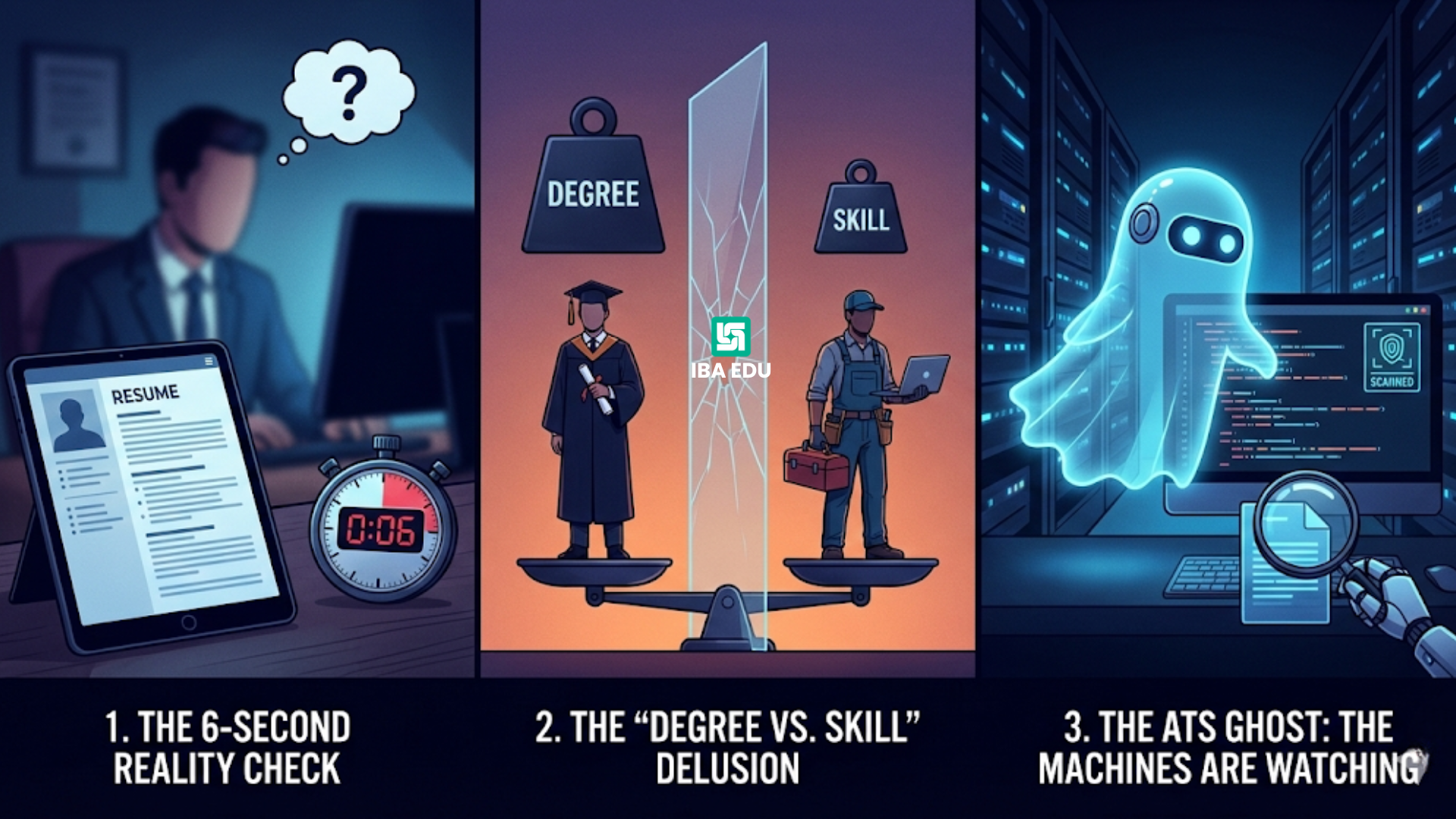
1. The 6-Second Reality Check
Research consistently shows that recruiters spend an average of six seconds on a resume before deciding its fate. They aren’t looking at your high school grades or your “Objective” statement.
What they are scanning for:
-
Job-Ready Keywords: Does the resume mention specific software or protocols?
-
Visual Hierarchy: Is the most important information at the top?
-
Proof of Performance: Can this person handle a Practical Banking Training workstation or manage Agentic AI workflows on Day One?
2. The “Degree vs. Skill” Delusion
The biggest blindspot for freshers is the belief that a degree equals a job. In the current market, a degree is merely an eligibility criterion—it is the floor, not the ceiling.
Recruiters in 2026 are looking for Micro-Certifications that prove you have bridged the gap between theory and practice. A resume that lists “B.Com Graduate” is invisible compared to one that lists a Banking Mastery Program alongside it.
3. The ATS Ghost: The Machines are Watching
Before a human ever sees your resume, an Applicant Tracking System (ATS) parses it. If your resume lacks specific technical triggers, the machine “ghosts” you automatically.
To bypass the ATS, your resume must include modern digital competencies. Are you proficient in Google AI Nexus tools? Can you use Canva for Professionals to create visual reports? If these keywords aren’t there, you don’t exist in the system.
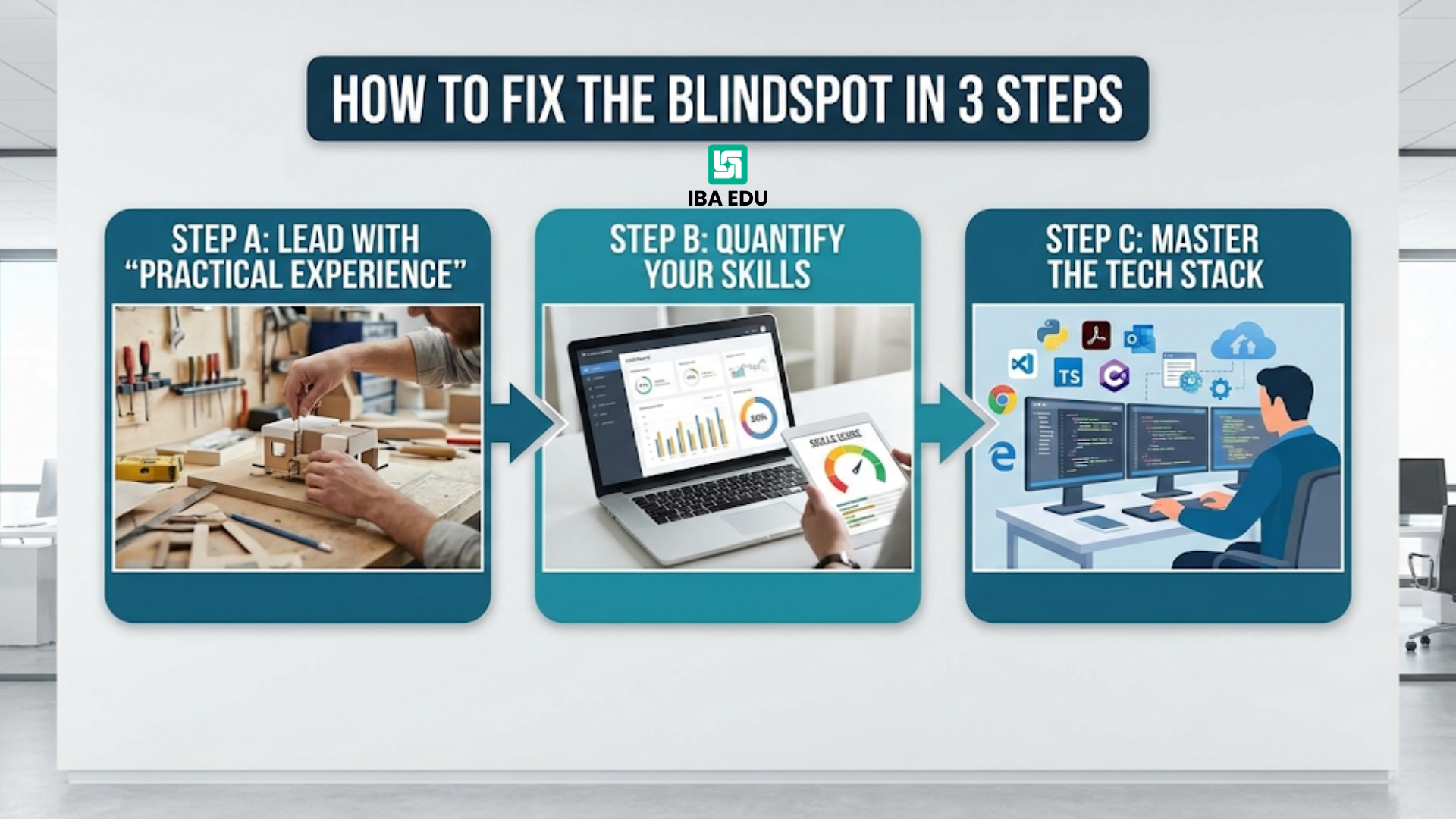
4. How to Fix the Blindspot in 3 Steps
Step A: Lead with “Practical Experience”
Move your “Projects” and “Certifications” section above your “Education.” Recruiters want to know what you can do before they care about where you studied.
Step B: Quantify Your Skills
Don’t just say you know “Banking.” Say you are trained in “KYC Compliance and Teller Operations” through an industry-standard Banking Certification.
Step C: Master the Tech Stack
In 2026, every role is a tech role. Ensure your resume highlights your ability to use AI for productivity. Mentioning mastery in Agentic AI Systems tells a recruiter you are 5x more productive than the average graduate.
Stop Being a Candidate, Start Being a Solution
Recruiters don’t hire “people”; they hire “solutions” to their business problems. If your resume only talks about your past (education), it’s a history book. If it talks about your ability to solve problems using modern tools and Practical Skills, it’s a proposal.
Don’t let your potential stay hidden in the blindspot.